Rain, Dust, and Drama: How Indian Cinema Turns the Weather Into a Character
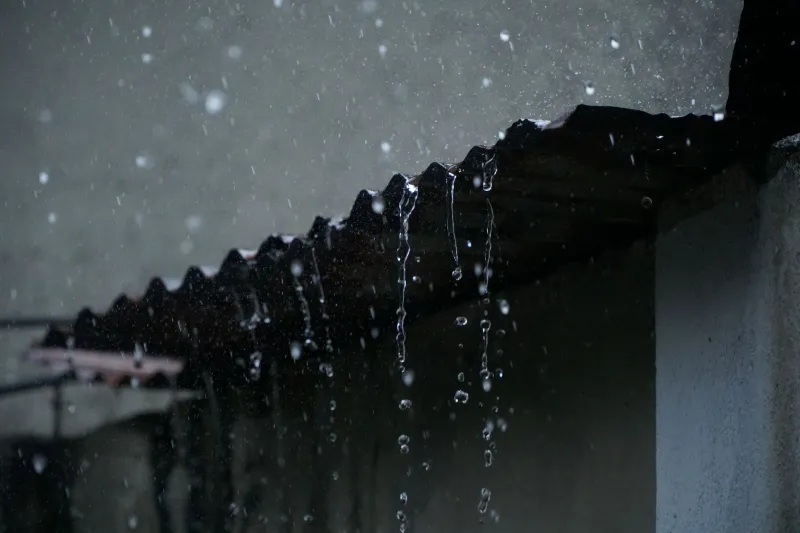
There's a moment in countless Indian films that American viewers describe with the same slightly confused, completely enchanted reaction: the rain starts falling, and suddenly everything changes. The music swells. The colors shift. Characters who couldn't speak their feelings two minutes ago are now soaking wet and saying everything. If you've found yourself rewatching that scene three times trying to figure out why it hit so hard, you're not alone — and you're definitely not imagining it.
Indian cinema has spent decades building a cinematic language around weather and seasonal cycles that is so specific, so layered, and so emotionally precise that it functions almost like a second screenplay running beneath the dialogue. Understanding it doesn't just make the movies better. It opens up an entirely different way of experiencing South Asian storytelling.
The Monsoon Isn't Background — It's a Protagonist
In Western filmmaking, weather is usually scenery. Rain makes a chase scene more dramatic. Snow signals isolation. A sunny day means things are probably going fine. The weather sets the mood, but it rarely creates meaning on its own.
In Indian cinema, the monsoon is doing something far more ambitious. It arrives as a narrative force — one that carries history, longing, social context, and spiritual weight all at once. When rain falls in a Hindi film, it can simultaneously signal romantic surrender, agricultural relief, divine blessing, and the washing away of grief. Sometimes all four at once. The monsoon season in South Asia is not just a weather pattern; it's a cultural event that entire communities orient their lives around. Filmmakers aren't borrowing a visual metaphor — they're drawing on something their audiences feel in their bones.
Think about the iconic rain sequences in films like Dil Se, Guide, or more recently Barfi! — the water isn't decorative. It marks a threshold. Characters step into the rain and come out changed, or revealed, or broken open in ways that dry land wouldn't allow. There's a reason those scenes are the ones people remember decades later.
Summer as Slow Burn and Social Pressure Cooker
If monsoon rain is the language of longing and release, Indian cinema's summer is something altogether more uncomfortable. The relentless heat of a South Asian summer — the kind that bends the air and slows everything to a crawl — has become one of the most powerful tools in the arthouse filmmaker's kit.
Directors like Shyam Benegal and, more recently, Payal Kapadia have used summer's oppressive stillness to externalize internal pressure. In films exploring caste tension, gender violence, or class resentment, the heat isn't just atmospheric texture — it's a physical manifestation of systems that trap people. When characters sweat and squint and fan themselves in vain, the audience feels the claustrophobia of lives with no easy exit.
This is a distinctly South Asian cinematic choice. American films rarely let summer linger long enough to become suffocating. Indian cinema lets it sit. It makes you uncomfortable on purpose. And that discomfort is often exactly the point.
Drought as Diagnosis
Some of Indian cinema's most pointed social commentary arrives not through monologue or confrontation, but through a dry, cracked landscape. Drought sequences in films dealing with rural poverty, farmer suicides, or water scarcity carry a documentary weight that dialogue simply can't replicate.
When the earth is visibly parched on screen — when animals are listless and crops are gone and the sky is a merciless white — Indian filmmakers are making an argument. They're connecting individual human suffering to systemic failure, to climate, to politics, without spelling any of it out. American audiences raised on more literal modes of social commentary sometimes miss this the first time through. But once you know to look for it, the dried riverbed in the background of a scene about a struggling family isn't set dressing. It's an indictment.
Films like Peepli Live and Newton use environmental conditions this way almost constantly — the landscape becomes a running commentary on the story's human stakes.
Why American Audiences Are Suddenly Paying Attention
So why is this resonating so strongly with US viewers right now? A few things are converging at once.
First, streaming has fundamentally changed how American audiences encounter Indian cinema. Films that once required a trip to a specialty theater or a specific cable package are now two clicks away on Netflix, Mubi, or Amazon Prime. And when you're watching something on your couch with subtitles, you pay attention differently. You notice the visuals more. You pick up on the atmospheric choices that might wash over you in a crowded multiplex.
Second, American viewers are increasingly hungry for storytelling that doesn't explain itself to death. There's a real fatigue with films and shows that over-verbalize their themes, that treat audiences like they need every symbol annotated. Indian cinema's use of weather and season as emotional shorthand feels refreshingly trusting. It respects the viewer's capacity to feel something without being told what they're feeling.
Third — and maybe most importantly — climate anxiety is reshaping how everyone relates to environmental imagery. American audiences in 2024 are not neutral about drought, extreme heat, or unpredictable storms. When Indian films treat these phenomena with moral and emotional seriousness, it lands differently than it might have twenty years ago. The drought in a film about a Rajasthani village isn't abstract anymore. It rhymes with something.
The Seasonal Cycle as Spiritual Architecture
There's one more layer worth naming, even if it's harder to quantify. Indian classical traditions — from Sanskrit poetry to Carnatic music to Bharatanatyam — have long organized emotional and spiritual experience around seasonal cycles. The Barahmasa tradition, which maps human feeling onto the twelve months of the year, is centuries old. The ritu (season) in classical Indian aesthetics isn't just a time of year — it's an emotional state, a spiritual condition, a mode of being.
When contemporary Indian filmmakers reach for monsoon imagery or summer heat, they're often — consciously or not — drawing on this deep well. The rain in a modern romantic drama carries the weight of every classical poem ever written about longing in the rainy season. That's not hyperbole. That's cultural memory working through visual language.
American audiences can't always name what they're responding to when an Indian film's weather imagery moves them. But they feel it. Something ancient is getting through.
Learning to Read the Sky
For anyone coming to Indian cinema fresh, or for longtime fans who want to go deeper, paying attention to the weather is one of the most rewarding entry points available. Before you ask what a character is feeling, ask what the sky is doing. Before you read the subtitles, read the landscape.
You'll find that Indian filmmakers have been having a conversation with the natural world for decades — one that's more sophisticated, more emotionally precise, and more politically aware than most Western film traditions have attempted. And now that American audiences are finally tuning in, the forecast looks genuinely interesting.