Everyone Wants Grandma's Chai, Nobody Wants to Make It: On the Great American Chai Boom
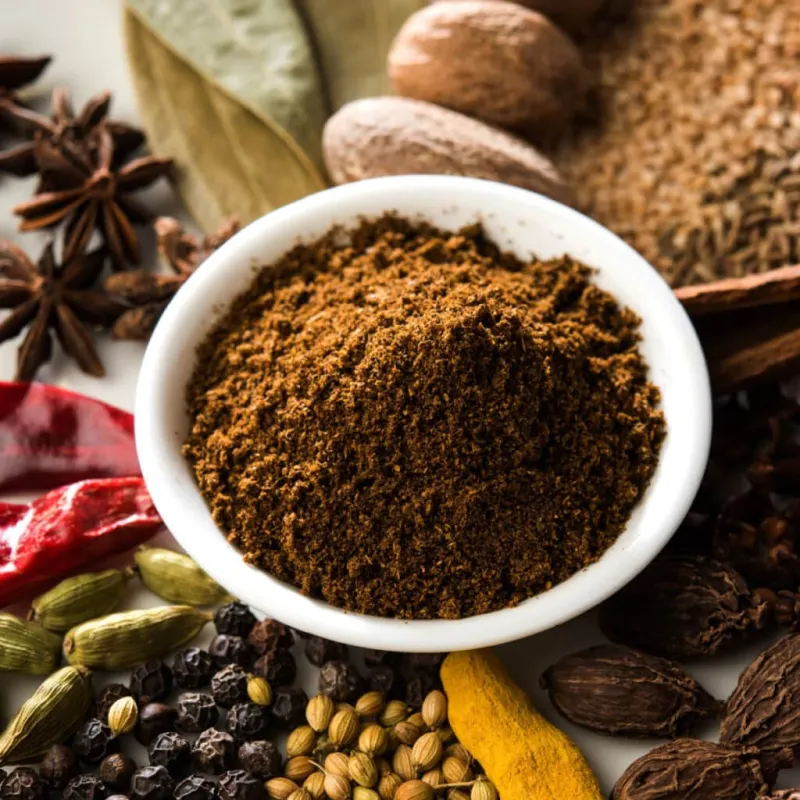
Photo: masala chai being poured traditional stovetop cardamom spices, via insanelygoodrecipes.com
There's a version of chai that exists in American coffee shops right now, and my grandmother would not recognize it as a beverage. It's called a "chai latte." It's often made from a concentrate that tastes vaguely of cinnamon and regret, it costs eight dollars, and it is selling, by some industry estimates, at a pace that puts the whole category on track to be worth billions within the decade.
I have complicated feelings about this, and I suspect I'm not alone.
The Stovetop Original
For the uninitiated: real chai — masala chai — isn't a flavor. It's a process. Black tea boiled with milk, ginger, cardamom, sometimes clove or fennel, adjusted by feel, by household, by mood. It takes fifteen minutes and it can't really be rushed. It's also, functionally, the social glue of half a billion people. Chai is offered when you arrive, when you're sad, when there's news, when there's nothing to say.
For most of American history, none of this registered. Chai was something that happened in Indian homes, made on Indian stoves, by Indian grandmothers, and the broader culture had no idea. Then it did.
The Great Extraction
The mainstreaming followed a familiar playbook. First, coffee chains put "chai" on the menu — a sweetened spiced syrup mixed with milk, closer to a dessert than to anything brewed at home. Then boutique cafés started doing "authentic" masala chai, often run by first- or second-generation South Asian entrepreneurs who, credit where due, actually boil the ginger. Now you can buy chai concentrate at Whole Foods, chai-spiced everything at Trader Joe's, and oat milk chai lattes have become a whole aesthetic on Instagram.
Is this a win? Partially. There's something genuinely satisfying about watching a barista in Portland ask a customer if they want it "spicy or sweet," or seeing "kadak chai" on a menu in Brooklyn without translation. Visibility is not nothing. Indian-American cafés have built real businesses on the back of this trend, and that money stays in the community in a way that concentrate money doesn't.
But there's a loss too, and it's worth naming: the ritual didn't make the trip. The fifteen minutes at the stove, the adjusting, the offering — the part of chai that was actually about other people got stripped out, and what's left is the flavor, sold individually.
Who's Profiting From Your Nostalgia
Here's the part that should make everyone a little uncomfortable. The biggest players in the American chai boom are, for the most part, not Indian grandmothers. Massive beverage conglomerates own or supply much of the concentrate market. The cultural product was extracted, standardized, and marked up — and the people whose kitchens invented it spent decades being told their homes smelled "too spicy" before the same spices became a premium feature.
That's not a call for gatekeeping. Food travels. Food should travel. But there's a difference between a tradition spreading and a tradition being strip-mined, and the chai latte sits somewhere in the middle of that spectrum, closer to the mining than I'd like.
What I Actually Want
Here's my modest proposal, as someone who will absolutely still order the oat milk version when I'm tired: if you love chai, learn to make it. Not the concentrate. The actual thing — grate the ginger, crack the cardamom, let it boil over once by accident. It costs about forty cents. It will taste better than anything at a coffee shop. And the fifteen minutes you spend at the stove is the part that was never for sale.
The chai boom is a net good, I think, with asterisks. But the best cup of chai in America is still being made in someone's kitchen at 7 a.m., by a grandmother who has never once thought about the market size. That's the drink. Everything else is just a very expensive photograph of it.