Rewind, Repair, Remember: The Weekend Desi Families Spend Digitizing Their Own History
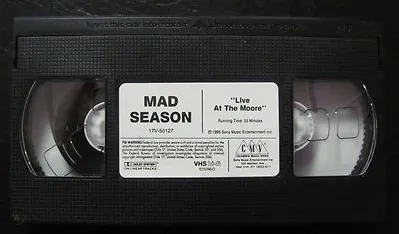
Photo: SMV Enterprises, Public domain, via Wikimedia Commons
There is a plastic bin in a closet in almost every Indian American house. Inside it: a dead camcorder battery, a nest of cables, a dozen Hi8 cassettes, a few VHS tapes labeled in Sharpie in somebody's handwriting, and a MiniDV cartridge or two. Nobody has played any of it since the Obama administration. Everybody knows it is down there.
What's changed is that people are starting to open the bin.
The Weekend the Closet Gets Opened
Call it the archiving day. It usually starts as a group chat — a cousin in Dallas mentions that the wedding tape from 1997 came out snowy, someone else says their dad's camcorder finally died, and within a week there's a shared spreadsheet and a plan. Families book equipment, split a digitization bill, and spend a Saturday afternoon watching grandparents who are no longer alive walk across a screen in a borrowed banquet hall.
Some of this is DIY. A handful of public libraries around the country now run "memory lab" setups where patrons can transfer tapes and film reels on-site, and mail-in services that handle VHS, Hi8, and MiniDV have gotten easy to find. The other lane is hiring a local shop, often a small photo or video business that quietly does a brisk side trade in South Asian family archives.
Either way, the work itself is not glamorous. It is labeling, rewinding, testing, and arguing about whether Auntie's version of the sangeet is better than Uncle's.
What Actually Gets Saved First
The order is remarkably consistent, according to families who've done it.
Weddings, always. Not just the ceremony — the mehendi, the chaotic pre-dawn haldi, the reception where someone's uncle gives a speech that has aged either beautifully or terribly. Weddings come first because they're the tapes with the most people in them who are no longer around to ask questions.
Arangetrams and recitals. The three-hour Bharatanatyam debut, the Carnatic vocal concert in a temple basement, the school talent show where a nine-year-old is wearing a lehenga two sizes too big. Parents who once fast-forwarded through these now want the whole thing.
Childhood trips to India. Grainy footage of a grandmother's courtyard, a cousin's bicycle, a monsoon afternoon on a terrace. These are frequently the tapes nobody intended to keep and the ones people cry over.
Recorded television. And then there's the odd category: films taped off Doordarshan, Sunday-morning cartoons interrupted by ads, somebody's careful recording of a cricket match. These are the hardest to justify and the hardest to throw away.
The Format Problem Nobody Warns You About
Magnetic tape does not age gracefully. The binder that holds the oxide layer can break down, and tapes stored in a hot garage or a humid basement are prime candidates for mold. A tape that looks fine can shed its coating onto the heads of the very machine you're using to play it. This is why archivists generally advise against "just checking" a questionable tape on the family camcorder you're hoping to keep working.
Hard drives have their own version of the problem. The external drive with 2011's Diwali footage on it may not spin up at all, and the laptop that could read it may be long gone. Cloud backups help, but only for what actually made it to the cloud.
The practical upshot: capture once, then make copies. A digitized file in one place is not saved. A digitized file in three places, with one copy on something you don't touch, is closer.
Why This Is Becoming a Canon
There's a phrase archivists use — "orphan films" — for material nobody is preserving because it doesn't belong to an institution. Most desi family footage is exactly that. It isn't at a studio, it isn't in a national collection, and no algorithm is going to surface it. If a family doesn't save it, it goes.
Which is why these personal archives are starting to feel like something bigger than nostalgia. A wedding tape from 1994 is a record of how a family dressed, spoke, ate, and danced at a specific moment in a specific American suburb. Multiply that across a few thousand households and you have a portrait of a community that no documentary crew was ever hired to shoot.
Some families are already treating it that way — labeling dates and names, writing down who's who, asking elders to narrate over a second audio track while they still can. It's slow, unglamorous work. It is also the only version of this history that will exist.
A Reasonable Starting Plan
- Triage before you transfer. Pull everything out, sort by format, and write down what you remember being on each one.
- Don't test-play suspect tapes on equipment you care about. Get a second opinion or send them to a service that handles mold.
- Name files like a person will find them later. Date, event, location, names — in plain text.
- Interview while you digitize. Put a grandparent in front of the screen and record their reactions. That audio is worth as much as the video.
- Share one thing. A five-minute clip in the family group chat does more for momentum than a perfect master archive nobody sees.
The bin is still in the closet for most families. But the number of households where it's been emptied, labeled, and copied is growing — one Saturday, one cousin's group chat, one rescued wedding at a time.