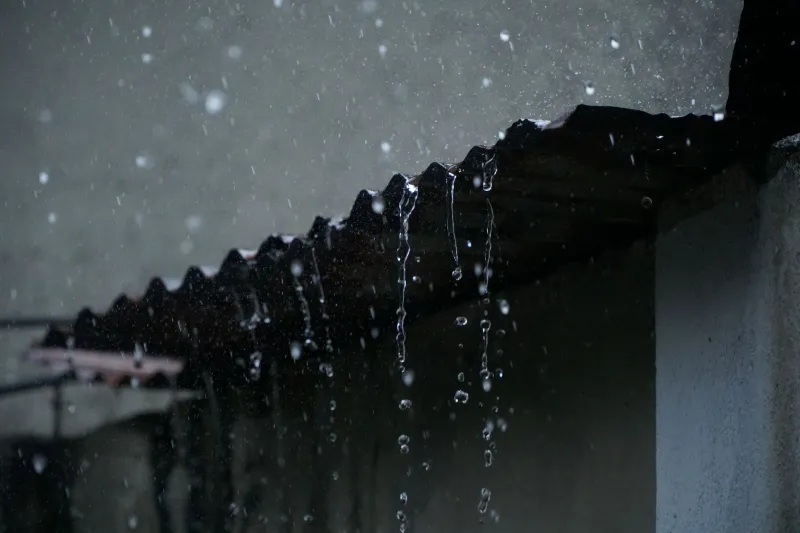
Soaked and Overplayed: How Indian Filmmakers Are Finally Reckoning With the Rain Scene
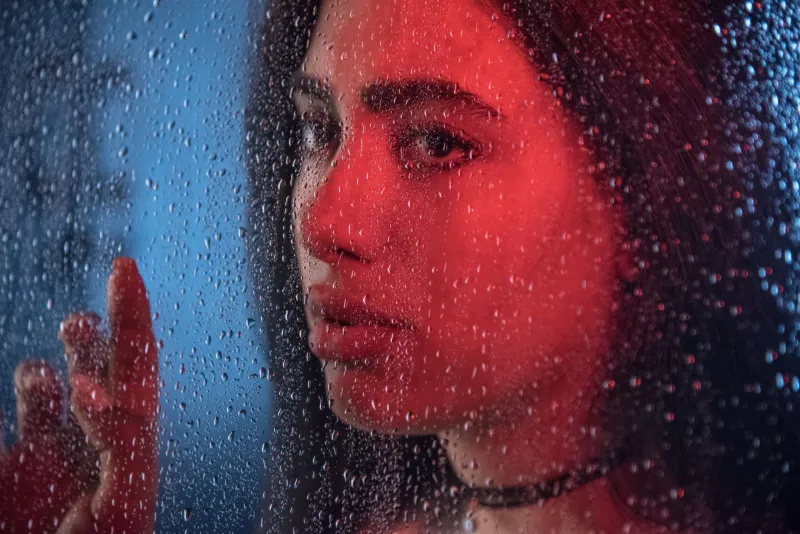
There's a moment in almost every Bollywood film you've ever watched where the sky opens up at exactly the right time. The hero confesses. The heroine spins. The sari clings. The music swells. If you've grown up watching Indian cinema — or discovered it through a Netflix rabbit hole at 2 a.m. — you know this moment. You could practically set your watch by it.
But here's the thing: so could everyone else. And that's becoming a real problem.
A Symbol That Built an Entire Visual Language
The monsoon isn't just weather in India. It's a cultural event — a relief after brutal summer heat, a marker of agricultural survival, a season that carries its own mythology. Indian cinema picked up on this centuries-old emotional weight and ran with it, hard. From the golden era of Hindi films in the 1950s and 60s to the glossy blockbusters of the 2000s, rain has functioned as a kind of visual shorthand that audiences instinctively understand.
Think about how efficiently it works. A couple standing in the rain doesn't need dialogue to communicate desire. A lone figure walking through a downpour doesn't need a voiceover to signal grief. The weather does the emotional labor so the script doesn't have to. For a cinema tradition that has always leaned into heightened feeling — where a song can pause a chase sequence and nobody blinks — rain fit perfectly into the grammar.
The problem is that grammar can calcify into cliché faster than you'd think.
When the Shorthand Stops Working
Ask any Indian American who grew up watching Bollywood in the suburbs — in Fremont, in New Jersey, in the living rooms of Houston — and they'll tell you the same thing. At some point, the rain scene stopped landing. It became the moment you turned to whoever was sitting next to you and said, here it comes. The anticipation wasn't emotional anymore. It was comic.
That shift matters. When an audience can predict exactly what a visual cue means before it happens, the cue has lost its power. It's no longer evoking feeling — it's just fulfilling an expectation. And in an era when Indian cinema is competing for global attention alongside Korean drama, prestige American television, and a flood of streaming content, predictability is a death sentence.
Contemporary filmmakers are aware of this. Some are responding by leaning into the irony. Others are trying to strip the rain scene down and rebuild it from scratch. And a bold few are ditching it entirely — which, in the context of Indian cinema, is almost a political act.
Comedy as a Trojan Horse
One of the more clever strategies emerging in recent Indian films is using rain for laughs rather than longing. Instead of the perfectly lit romantic drenching, you get a character who's genuinely miserable in a downpour — soaked through, shoes ruined, auto-rickshaw nowhere in sight. The rain becomes a punchline rather than a poem.
This works on multiple levels. It still acknowledges the trope — the audience knows what a rain scene is supposed to mean — but it subverts the expectation just enough to feel fresh. There's also something honest about it. If you've ever actually been caught in a Mumbai monsoon without an umbrella, romance is not the first thing on your mind. The comedy version of the rain scene is, weirdly, more realistic than the romantic one.
Filmmakers working in this mode are essentially saying: we know you know this trope, and we're in on the joke with you. That kind of winking self-awareness can feel cheap if it's done lazily, but when it's executed well, it builds a different kind of intimacy with the audience.
The Directors Who Just Said No
Then there are the filmmakers who've made a more radical choice: removing rain from their emotional toolkit altogether. This is rarer, but it's happening — particularly in indie and parallel cinema, where directors are deliberately working against the visual conventions of mainstream Bollywood.
By denying the audience the expected catharsis of a rain scene, these films force viewers to sit with discomfort in a different way. The emotional release has to come from somewhere else — from a performance, from silence, from a scene that doesn't have a built-in cultural signal telling you how to feel. It's harder to pull off, but when it works, it creates a different kind of emotional honesty.
There's also an argument being made, quietly, about whose stories get to use the rain trope and whose don't. South Indian cinema — Tamil, Telugu, Malayalam — has its own complicated relationship with the monsoon, one that doesn't always map onto the Bollywood version. Directors from these traditions are increasingly telling stories where the emotional logic is entirely their own, not borrowed from a Hindi film template that was never quite theirs to begin with.
Reinvention Doesn't Mean Abandonment
Here's what's interesting, though: the most thoughtful filmmakers aren't rejecting the rain scene so much as trying to earn it again. They're asking what it would mean to use this image as if it were the first time — to treat it with the same intentionality that the directors of the 1950s brought to it before it became a convention.
That means thinking carefully about when rain appears in a story, not just how it looks. It means asking whether the weather is reflecting something real about the characters or just doing the emotional work the screenplay hasn't done. It means being willing to let a scene be quieter, stranger, less immediately legible — and trusting the audience to stay with it.
Some of the most striking rain sequences in recent Indian cinema have been the ones that feel slightly off. Rain that arrives at the wrong moment, that interrupts instead of confirms, that leaves characters more confused than resolved. That dissonance is where the trope gets interesting again.
What It Says About Indian Cinema Right Now
The ongoing reckoning with the monsoon scene is really a conversation about something bigger: how a film tradition handles the weight of its own history. Indian cinema is old enough and rich enough to have genuine classics — images and sequences that have shaped how generations of viewers understand love and loss. That's a remarkable inheritance. It's also a trap if you're not careful.
The directors who are doing the most interesting work right now are the ones who've clearly watched everything — who love the tradition and know it deeply — but who refuse to be imprisoned by it. They're using the rain because it means something, not because it's what you do.
For South Asian audiences in the US, watching this shift in real time carries its own particular pleasure. We grew up with the classic rain scenes. We've seen them parodied, memed, and turned into GIF reactions. We're exactly the audience that can appreciate both the nostalgia and the subversion — which might be why Indian cinema's most interesting experiments increasingly feel like they're made with us in mind, even when they're not.
The monsoon isn't going anywhere. But what happens underneath it is finally changing.