Sixteen People, One Harmonium: The Ghazal Nights Happening in Desi Living Rooms
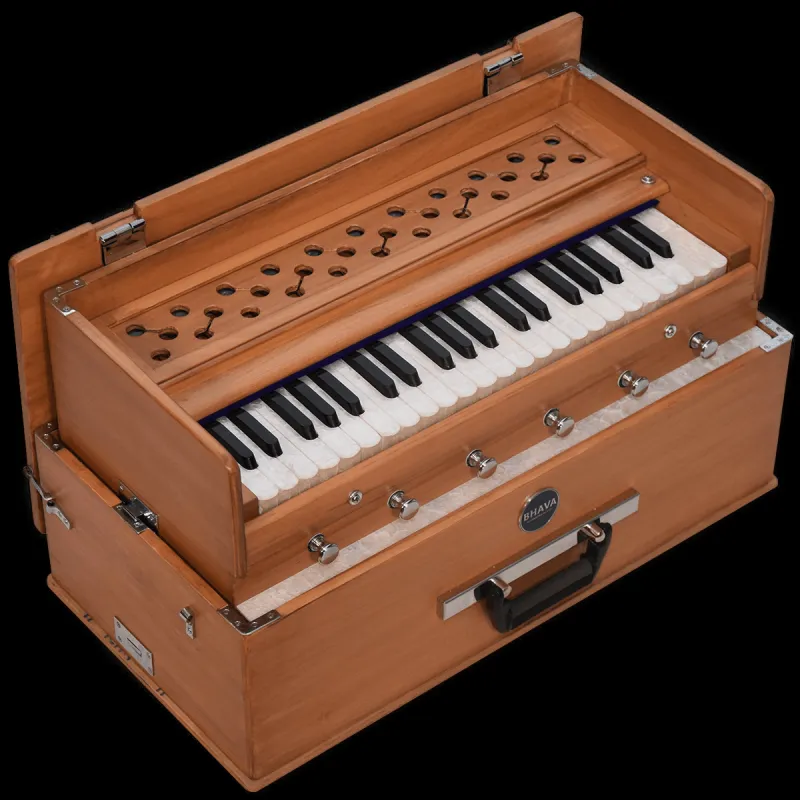
Photo: harmonium tabla intimate living room music gathering, via www.kirtancentral.com
In a living room outside Dallas, sixteen people are sitting on the floor. Shoes are stacked by the front door. There's a harmonium on a low table, a tabla case being unzipped, and a plate of samosas nobody has touched yet because the singing has already started.
This is a mehfil — the centuries-old South Asian gathering built around poetry and music — and it is quietly having a moment in the United States. Not in concert halls, not on arena tours, but in apartments in Fremont, basements in New Jersey, community rooms in Atlanta, and suburban living rooms where the acoustics are, by universal agreement, surprisingly good.
The Format Is the Whole Point
The mehfil has never been a performance so much as a room with a shared attention span. The word itself just means a gathering, but the form has rules: a lead singer or reciter, a small accompaniment, an audience close enough to hear a breath, and an expectation that nobody is going to talk over the verses.
That last part is the radical bit. In a culture where the big South Asian night out increasingly means a ticketed arena show, a $200 ticket, and a screen behind the stage, a room of twenty people sitting in silence for a sher about longing is a different proposition entirely. It's closer to a listening room than a concert, and it asks something of the audience that a big show never does.
Who Hosts, and Why
The hosts are rarely professional presenters. They're the couple with the slightly larger living room and a genuine love of the form. Often they're second-generation Desi Americans who grew up on their parents' cassette collection — Begum Akhtar and Jagjit Singh on long car rides, Ghalib recited at a family gathering without warning — and who realized at some point that they missed hearing it live.
So they started inviting people over. A friend of a friend knew a vocalist teaching in the area. Someone's uncle played tabla well enough to sit in. Twenty chairs were borrowed. The first night was supposed to be a one-off.
Now it's a series, and there's a mental list of maybe sixty people in the area who want to know when the next one is.
A Different Kind of Ticket
The economics of these nights are deliberately loose. Some are free, with a donation basket by the door. Others sell a modest ticket to cover the performer's fee and travel. Almost none are profitable, and most hosts will tell you they'd rather keep it small than scale it.
That's the opposite of how South Asian entertainment usually grows in America. Bigger venues, bigger productions, bigger social-media footprint. The mehfil resists all of it, partly out of principle and partly because the form genuinely doesn't survive amplification. A ghazal sung into a large room loses the thing that makes it work: the sense that the singer is delivering the line to you specifically.
The Unwritten House Rules
Regulars can recite the etiquette without thinking. Arrive on time, because arriving late during a verse is worse than arriving late to a wedding. Phones face down. Sing along only when invited — and you will be invited, usually near the end, when the formal part loosens into something more like a singalong. Chai comes after, not during.
And then there's the request segment, which is where the mehfil reveals its real function. Someone asks for a Faiz poem. Someone else wants the ghazal their mother used to hum. A teenager, prodded by an aunt, requests the one song they actually know. The performer, if they're good, handles all three without breaking the mood — and that flexibility is a skill you can't teach in a conservatory.
Where the Poetry Fits
What separates a mehfil from a casual house concert is the text. Ghazals are built on couplets that carry their meaning in a single line, and the best of them survive translation and still land harder in Urdu or Hindi. Hosts often print the verses — transliterated, sometimes with a rough English rendering — so that guests who grew up hearing the words without fully understanding them can follow along.
That printed handout has quietly become one of the more interesting features of the American mehfil: a translation sheet passed around a living room is doing cultural transmission work that no museum exhibit can replicate.
Why It's Working Now
Part of this is simple fatigue with the ticketed model. Part of it is that a generation of Indian Americans in their thirties and forties is now settled enough to host, with homes and networks and a bit of disposable income directed at something other than a big night out.
But the deeper reason may be that the mehfil offers something the diaspora is short on: an evening that asks you to sit still and listen, in a room full of people doing the same. No screens, no stage, no need to post about it afterward.
Just a harmonium, a tabla, and sixteen people who all agreed, for one night, to pay attention.