Nani Knows Best: Why Gen-Z Desis Are Ditching Therapy Bros for Grandma's Kitchen Table
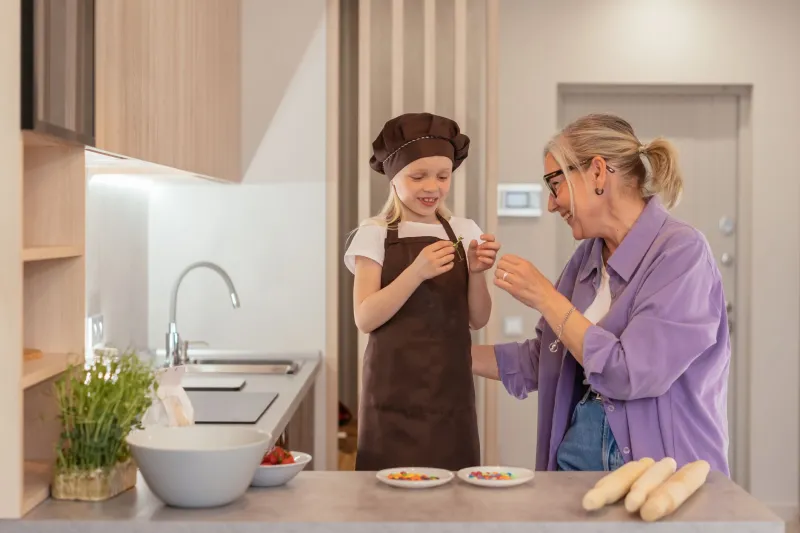
Somewhere between a pot of dal simmering on the stove and a steel cup of cardamom chai going cold on the counter, Priya Venkataraman got the career advice that changed everything. She was 24, freshly laid off from a Bay Area tech startup, and spiraling in the way that only someone who has tied their entire identity to a LinkedIn title can truly spiral. Her therapist was helpful. Her friends were supportive. But it was her paati — her Tamil grandmother visiting from Chennai — who looked her dead in the eyes over a plate of idlis and said, *"You are not your job. You were somebody before that company existed. Be that person again."
Priya posted the exchange on TikTok almost as an afterthought. Within 48 hours, it had 200,000 views.
The Grandma Renaissance Nobody Saw Coming
This is the moment we are living in. Across the US, South Asian Gen-Z kids — many of them second-generation, navigating the particular pressure cooker of immigrant family expectations and American hustle culture simultaneously — are turning to their grandmothers not just for comfort, but for actual, substantive guidance. On mental health. On relationships. On money. On identity.
And social media is eating it up.
Hashtags like #NaniWisdom, #DadiAdvice, and #WhatMyGrandmaTaughtMe have accumulated hundreds of millions of collective views across TikTok and Instagram Reels. The content is deceptively simple: a grandchild translates or paraphrases something their grandmother said, usually while cooking or doing something mundane, and the wisdom lands with the kind of weight that no podcast episode or self-help bestseller quite manages to replicate. The comments sections are flooded with people saying some version of "my nani said the exact same thing" or *"I need to call my grandmother right now."
What's happening here isn't nostalgia, exactly. It's something more urgent.
When Instagram Influencers Weren't Enough
Let's be honest about the context. Gen-Z has grown up with unprecedented access to self-improvement content — morning routines, manifestation rituals, "soft life" aesthetics, stoic philosophy repackaged into 60-second videos by guys in expensive athleisure. And a lot of it is genuinely useful. But there's a growing exhaustion with advice that feels optimized for engagement rather than rooted in actual lived experience.
South Asian grandmothers, by contrast, have receipts. Many of them navigated partition trauma, economic hardship, migration, the loss of spouses, and the raising of children across cultures — all without a therapist on speed dial or a journaling app. Their pragmatism isn't a brand. It's a survival skill that got load-tested across decades.
That authenticity is exactly what's cutting through the noise.
"My dadi has seen actual hard times," says Aisha Mirza, a 22-year-old Pakistani-American student in Chicago who regularly posts conversations with her grandmother. "When she tells me that anxiety about the future is normal but you can't let it eat you, it hits differently than when some wellness influencer says it. She's not selling me anything."
The Wisdom Itself — What Are They Actually Saying?
The specific advice varies by family, region, and religion, but certain themes keep surfacing in the content that goes viral. There's a recurring emphasis on duty balanced with self-respect — the idea that you owe your family and community something, but not at the cost of your own dignity. There's a deeply practical approach to mental health that doesn't use clinical language but lands in the same place: rest is not laziness, grief needs time, and worrying about things outside your control is a waste of energy the universe gave you.
There's also, notably, a frank approach to relationships and marriage that surprises a lot of viewers. These grandmothers are not the one-dimensional aunties demanding grandchildren by 25. Many of them — once you actually sit down and ask — have nuanced, sometimes radical things to say about love, compatibility, and the difference between a good partner and a convenient one.
"My nani told me not to marry someone just because the family approves," says Divya Krishnan, a 26-year-old in New Jersey whose grandmother content regularly hits six figures in views. "She said, 'I had an arranged marriage and I was lucky it worked. But luck is not a plan.' That's not what people expect to hear from a 78-year-old woman from Kerala."
Documenting Before It's Too Late
There's a bittersweet undercurrent running through a lot of this content, and the creators themselves are often the first to name it. Many of these grandmothers are in their 70s and 80s. Some are dealing with health challenges. Some live abroad and only visit for stretches at a time. The documentation impulse — the decision to hit record — is partly driven by a very real fear of loss.
"I started filming my dadi because I was scared I'd forget," one creator wrote in a caption that got shared thousands of times. "Now I realize I was also scared that the world would forget that women like her exist."
This is where the cultural preservation angle comes in, and it's one that resonates deeply with what we care about at PrabhuGhar. These kitchen table conversations are oral history. They carry forward not just personal wisdom but the textures of South Asian life — the specific philosophies around jugaad (creative problem-solving), the spiritual pragmatism of accepting what you cannot change, the communal understanding that identity is not an individual project. When a grandmother in Queens or Fremont or Plano talks about how she survived, she's also transmitting something irreplaceable about where her family comes from.
From TikTok to the Mainstream
The phenomenon is starting to move beyond social media. Podcasts are emerging that feature long-form conversations with South Asian elders. At least one short documentary making the festival rounds this year centers on a granddaughter interviewing her nani across multiple visits. American publications that wouldn't have touched this story two years ago are now running essays about intergenerational South Asian mentorship.
And the mainstream wellness industry, ever alert to what's resonating, is starting to pay attention. The language of ancestral wisdom — knowing where you come from as a foundation for knowing where you're going — is showing up in spaces that have nothing to do with South Asian culture specifically. But for the Desi kids who started this conversation, that broader resonance is almost beside the point.
The point is the call you make to your nani on a Sunday. The point is sitting down with a cup of chai and actually listening. The point is realizing, maybe for the first time, that the person who has been in your life since you were born has been sitting on a wealth of hard-won knowledge — and all you had to do was ask.
Your grandmother has been waiting for this conversation. She just didn't need a ring light to be ready for it.